
HOW CAN I HELP?
In uncertain times, many of us feel the urgent pull to do something… to show up, to help, to feel like we’re making a difference. But knowing where to start can feel overwhelming. This guide offers a practical, accessible framework for community building and support with concrete, meaningful ways to help. Whatever your capacity, wherever your strengths lie, there is a role for you. Community resilience is not built by a few people doing everything. It is built by many people, each doing something. This guide is your invitation to begin.
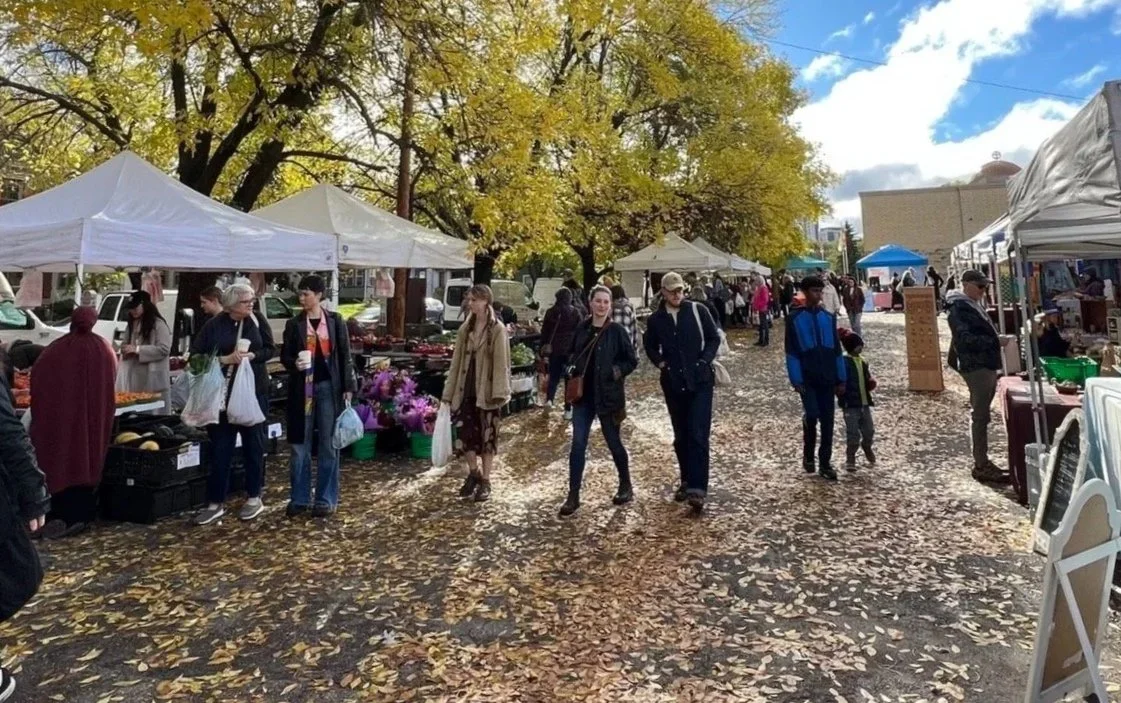
Photo from NE Farmers Market
Build Relationships with Your Neighbors
Ideally, community building starts before a crisis. When neighbors know and trust one another, they are better equipped to share resources, respond to emergencies, and protect one another from harm. This work asks only one thing: show up.
Be intentional about including our most vulnerable neighbors and introducing yourself to neighbors you don’t know yet
Join a casual meetup like a potluck, a community event, or a casual conversation on the sidewalk
Create phone trees or neighborhood groups for check-ins and timely alerts
Educate Your Community
A lack of accurate information fuels fear and confusion. Sharing clear, practical information empowers people to act in their best interests. The more your neighbors know about their rights and their options, the better equipped they are to make the best decisions for themselves and their families.
Partner with experts and legal groups to ensure the information you share is current and accurate.
Host or attend community education workshops
Print and share information in multiple languages
Help neighbors create emergency plans (trusted contacts, childcare backups, medication lists, etc.)
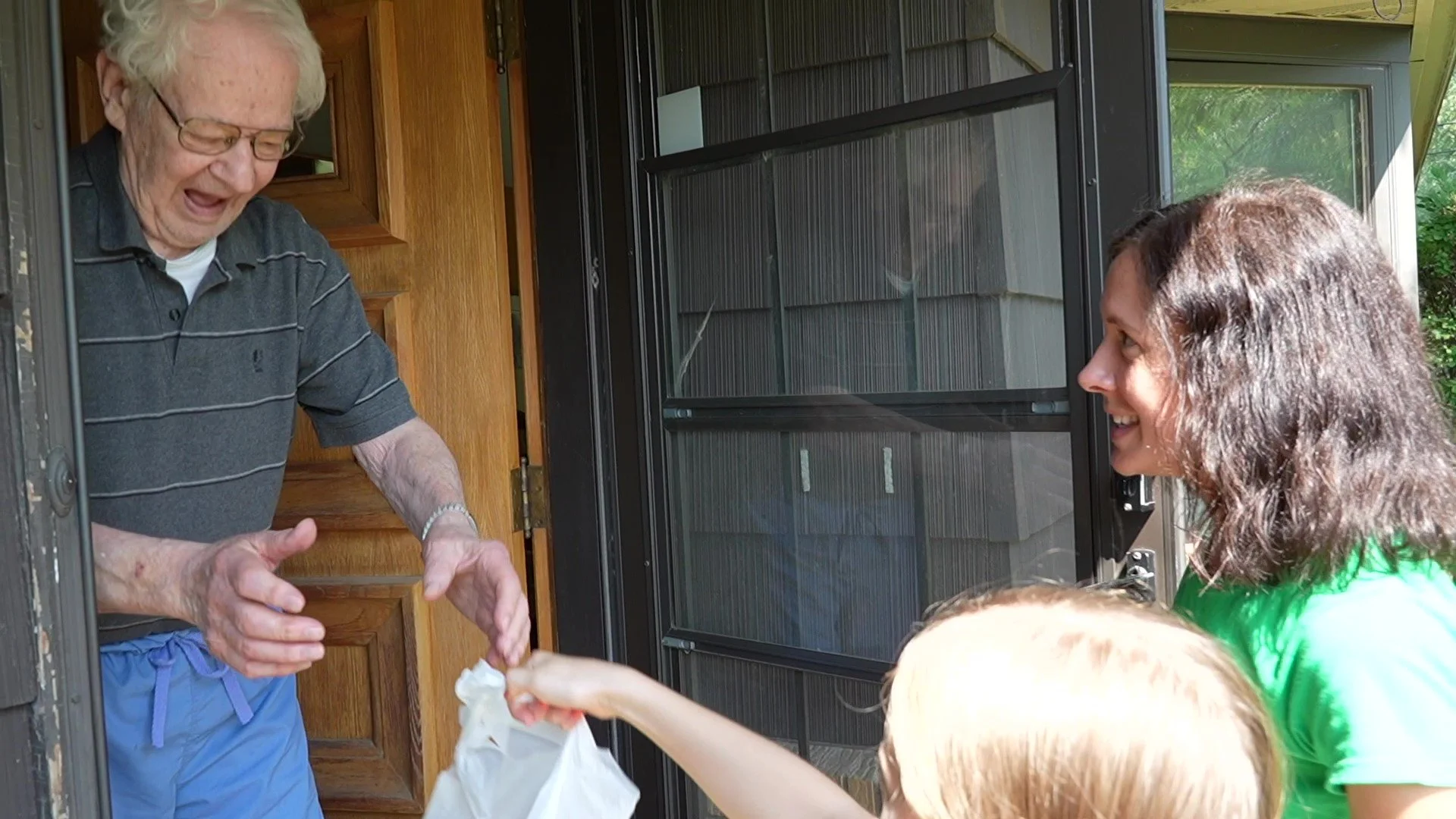
Photo from Eastside Meals on Wheels
Join Mutual Aid Networks
Mutual aid is not charity; it’s reciprocal care. It is a practice rooted in the belief that we are all better off when we look out for one another. When formal systems and institutions fall short or become inaccessible, mutual aid networks fill the gaps by choosing to meet each other’s needs directly. And you don’t have to wait to be asked. Look around, identify a need, and meet it. Everyone has something to offer, and everyone may someday find themselves in need.
Share meals or groceries
Show up for the everyday stuff: childcare, dog walking, shoveling, picking up a prescription
Offer rides to medical appointments, school, work, or wherever else someone may need to get to
Pool resources: contribute to shared funds for food, rent, supplies, legal fees etc.
Advocate for Policy Change
Laws and policies shape the conditions of people’s lives -- and they can be changed. Systemic change requires sustained, collective civic engagement and pressure on institutions and elected officials.
Call or write your elected officials. Be specific about what you’re asking for and why it matters
Organize phone banks, letter-writing parties, or petition drives to turn individual concern into collective demand
Attend city council meetings and share community testimony that centers the human impact of policy decisions
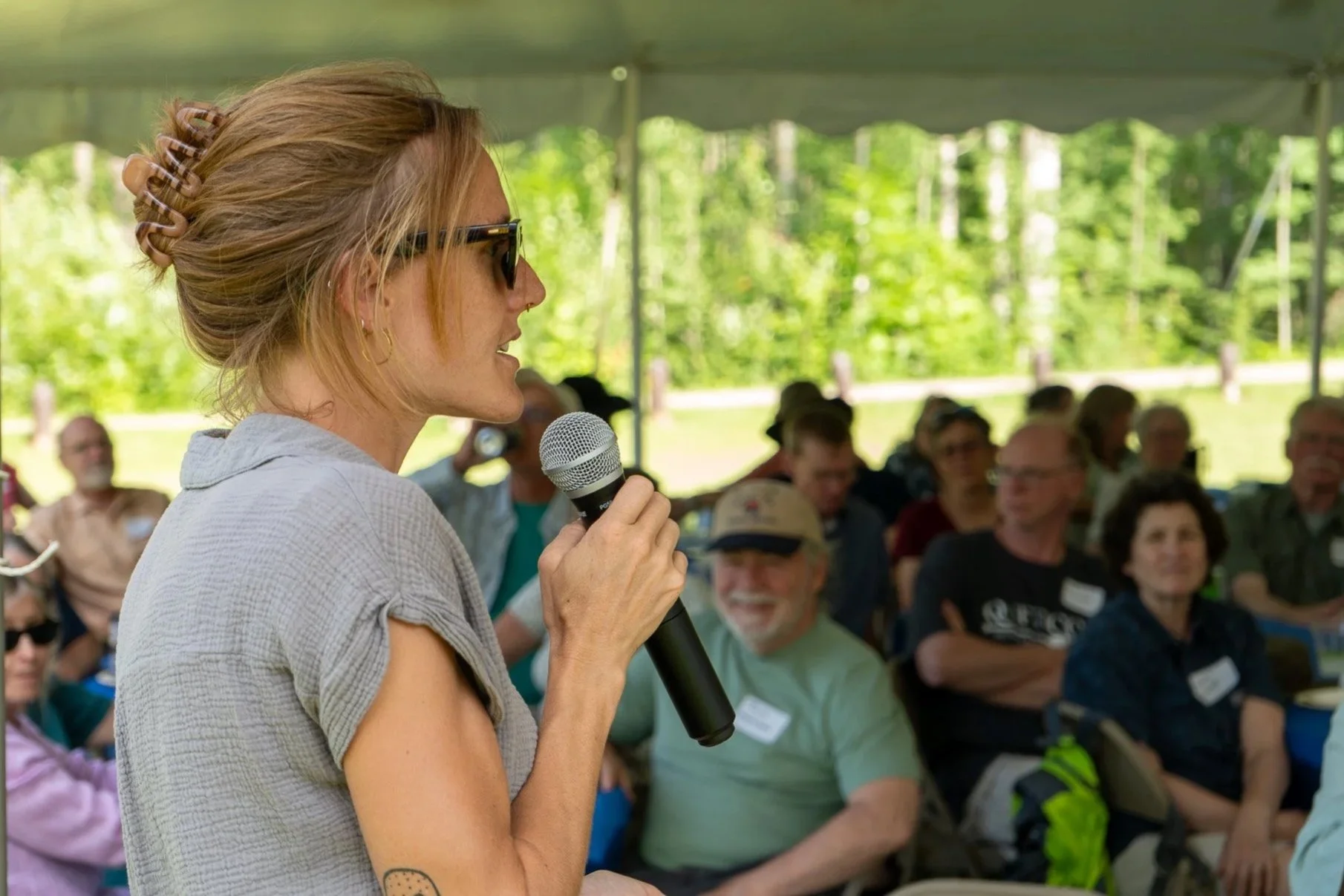
Photo from Save the Boundary Waters
Use Your Voice in Public Spaces
Shaping the narrative matters. The stories that circulate and the way they are told shape public opinion, influence policy, and determine how institutions act. You don’t need a large platform to make an impact. When you use your voice clearly, consistently, and with care, you influence what your community believes is possible.
Show up to public demonstrations. Your physical presence signals solidarity and adds to collective visibility
Write op-eds, letters to editors, or public testimonials that center the humanity of those most affected
Use social media thoughtfully: amplify facts, center the voices of those most affected, and resist the pull of fear-driven or sensationalized content
Bear witness: documenting what you see, safely and legally, is a form of accountability and community protection
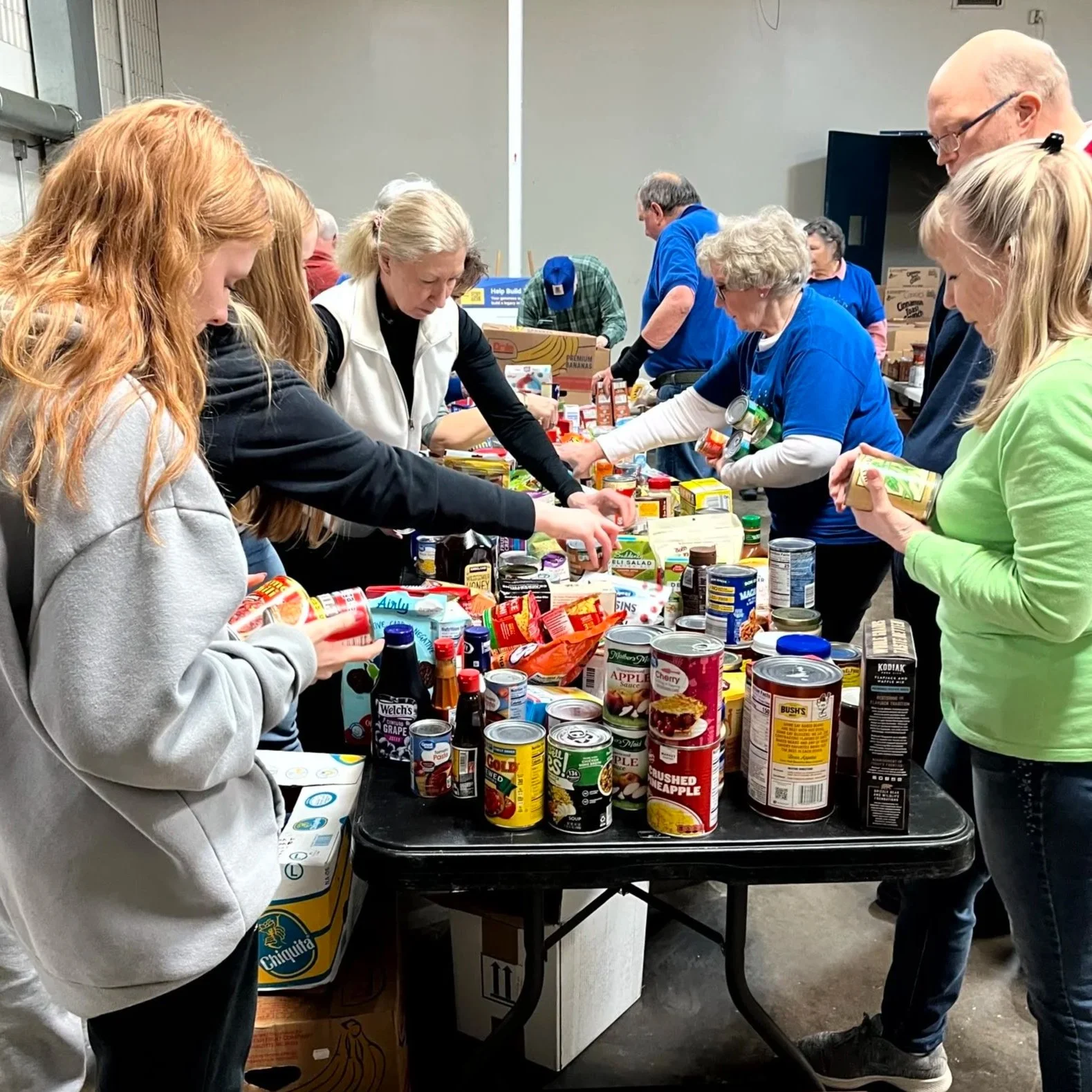
Photo from SACA Food Shelf
Uplift Local Organizations Doing the Work
One of the most impactful things you can do is invest in the organizers and organizations who have already been doing the work, long before the headlines. They have the relationships, the expertise, and the trust of the communities they serve. When we direct our energy and resources toward them, we multiply what's already working and ensure it continues.
If you’re not ready or able to volunteer, you can give money or visibility to groups already engaged in the work.
Support Local Businesses Affected
Economic stability and community safety are inseparable. When local businesses struggle, families and neighborhoods feel it. Supporting local businesses is a statement about the kind of community we want to be.
“Vote with your dollar” by spending your money on products and at businesses whose practices align with your values
Connect businesses with small business networks or worker advocacy groups that can offer guidance and support
Practice Community Care & Sustainability
Sustained action requires sustained people, and sustained people require care. Burnout, compassion fatigue, and isolation are real threats. Tending to the emotional and physical well-being of yourself and your community is not a luxury; it is a strategic necessity.
Design rest and care into volunteer structures from the beginning: rotations, check-ins, and clear off-ramps
Make mental health and trauma-informed resources accessible to everyone, especially for those directly impacted
Care is not separate from the work -- it is the work. How we care for one another reflects the world we are trying to build. Embrace collective care as a practice: check in on your people, celebrate small wins, and make space for grief alongside action
Community resilience is a practice. It is the accumulation of consistent choices to show up, connect with our neighbors, and invest in our communities. The work outlined in this guide does not require perfectionism. It requires presence and willingness. You will not be able to do all of it, and you do not have to. Find what at feels right for you now and start there. The community we want to live in is the one we choose to build, every day, together.